There is a lot of love connected to coffee, yet the best mugs I have tasted were not mishaps. They were the result of person cultivators, disciplined roasters, and thoughtful carriers that knew just how to maintain a fragile agricultural product active across cross countries. Coffee beans delivery looks basic from the exterior: click, pay, wait for a box. In practice, the distinction in between an average shipment and a revelatory one can be a week of harvest timing, three degrees in a roaster, or a messenger van idling in the incorrect sunlit lane. In Australia, where distances stretch and microclimates are sharp, the farm-to-cup tale matters also more.
What adheres to is not a catalog of brand names, however an appearance behind the curtain at what makes Coffee Beans Delivery in Australia operate at a high level. Along the way, I will share a few sensible information and trade-offs from years of ordering, cupping, and fixing shipments from Cairns to Fremantle.
What freshness really implies when beans travel
Freshness is not a single minute, it is a contour. From the roastery, beans off-gas CO ₂ for a number of days. Many specialized roasters in Australia ship in between 24 and 72 hours after roast to strike the home window when beans are stable however still young. For filter brewing, I generally see peak flavor around days 4 to 10, while for espresso it often lands in between day 7 and day 21. Once you pass day 30, most light to tool roasts will certainly lose high notes, though darker roasts hold body longer.
Delivery time changes this contour. In urbane Sydney or Melbourne, next-day distribution prevails; in local WA or the NT, 2 to five days is realistic. If a roaster ships very same day and you live near them, you might obtain beans prematurely, particularly for coffee. Excellent solutions in the very best Coffee Beans Delivery category allow you pick a ship date to straighten with your brew strategy. Even better, they release roast days and regular delivery windows by postal code. When I see a roaster hiding roast days or throwing out obscure cases concerning "fresh," I assume they are buffering with stock.
Another variable shows up in summer. Vans heat up. A parcel left on an eastern verandah at 2 pm in January will certainly rest above 30 ° C for hours. Aromatics weaken much faster with warmth. The detail that separates a casual shipment from a cautious one is warmth understanding. I have actually seen roasters in Brisbane switch over to early-morning dispatch and use shielded mailers throughout heatwaves. That little modification protects unstable substances you see as jasmine, bergamot, or peach in a cleaned Ethiopian and keeps oils from sweating in darker roasts.
The ignored farmer on your doorstep
Most farm-to-cup advertising speaks loudly concerning manufacturers, then murmurs when it pertains to settlements. Ask just how your Coffee Beans Delivery service handles manufacturer relationships, and pay attention for specifics: harvest month, great deal dimension, handling approach, and whether the roaster paid set price or market plus costs. Price transparency is rare but expanding in Australia. Some roasteries publish FOB rates or portion of eco-friendly cost. Even a straightforward declaration like "five-year relationship with Finca El Sauce, fixed price over C cost" informs you this is not a one-off spot buy.
On the farm end, timelines matter as high as money. A natural-processed microlot from Brazil may be prepared for export in July to August. If it lands in Australia by October and strikes the roaster in November, you are tasting that coffee in its finest quarter. Stretch that to March, and you might notice a soft top end. Weather occasions can move arrivals by weeks. During La Niña years, completely dry times for naturals alter, so a roaster who interacts harvest context and arrival days makes my count on long prior to the initial cup.
I still remember a pre-dawn visit to a small roastery in Byron Bay where the proprietor cupped four Kenyan great deals and selected the one with the highest possible phosphoric acid shimmer because his subscription consumers liked blackcurrant in winter. He arranged the delivery to clear custom-mades in late Might, which put those beans right into home mills in June, right when the mood tilted toward richer filter mixtures. That kind of timing is not luck.

Australia's location and its effect on flavor on arrival
Australia is one country with a number of coffee lives. The functional challenge is not only range, however environment and facilities. Perth is a lengthy means from the majority of east coastline roasters. Darwin is close to Southeast Asia but not to Melbourne. Tasmania has fast ferry web links yet less flights. These information equate into shipment rhythm and cost.
- If you remain in country WA or the NT, go for roasters with west-coast send off partners or choose air over roadway for sensitive coffees. I pay the additional couple of dollars for air delivery when a roaster releases a delicate washed Ethiopian or a Gesha. For a sturdy chocolatey Brazil for milk drinks, road shipping is fine. In high humidity areas like northern Queensland, I choose resealable bags with effective one-way shutoffs and heavy obstacle films. Slim bags breathe too much and tackle ambient smells.
Notice just how shipment options become mixture choices. I acquire espresso blends for our coastline service in summertime since parcels being in a locker, and I save the breakable single origins for cooler months when I can sign on delivery.
Packaging that implies business
Coffee bags look pretty, yet 3 design details in fact affect what you taste.
First, a real obstacle movie that obstructs oxygen, not simply a decorative layer. Matte surfaces can be deceitful; inquire about materials if a roaster is willing to share. Second, a one-way shutoff that airs vent without dripping scents. A good shutoff maintains your pantry from smelling like the beans, which indicates the beans are maintaining their aromatics. Third, a zip that reseals tightly. If you put coffee into a hopper and leave it, skip this area, however, for any person application from the bag over ten days, a bad zip will certainly age your beans.
Beyond the bag, some roasters in Australia are silently enhancing their delivery boxes. A double-wall mailer with an insert to quit the bag from jumping lowers valve damages. In hotter months, a straightforward reflective lining makes a shocking distinction on the last mile. I discovered this after a season of receiving oily, tired-smelling bags from a cherished roaster, only for them to change liners and recoup the coffees' liveliness.
Subscriptions versus ad hoc orders
Subscriptions are the foundation of specialized coffee shipment due to the fact that they smooth toasting timetables and delivery logistics. From the customer side, they remove the "oh no, we are out" minute. That said, a registration can secure you into roast accounts that do not fit your equipment, or arrival schedules that encounter your travel. The clever action is to deal with the very first 2 months as calibration. Take notice of roast degree and shipment day, after that ask for tweaks. Most Australian roasters will gladly move dispatch day or readjust the work setting if you acquire pre-ground.
Ad hoc orders shine when you want to target a specific beginning or handling method. The Kenyan home window in Australia often runs late May to October. Ethiopians height on arrival around October to February. If you have a favorite, mark the calendar and order increases when they land, after that change to blends between seasons. The Best Coffee Beans Delivery solutions release arrival schedules and give you heads-up e-mails a week prior to new great deals go online. Try to find those signals.
A day in the life of a bean before it gets to you
Here is a simple, linear means to picture what your beans do.
- Harvest: Picked by hand or strip, then refined within hours. Cleaned coffees move with depulping and fermentation, naturals completely dry on beds for 10 to 25 days depending on weather. Export: Milled, rated, and bagged in 60 or 69 kg sacks, frequently GrainPro lined. Shipped in containers by sea, which can take 3 to 6 weeks to Australia. Arrival: Landed and kept by an importer in climate-controlled storage facilities in Brisbane, Sydney, or Melbourne. Examples cupped, agreements fulfilled. Roasting: Roaster accounts on a smaller sized sample roaster, then relocates to production. Roast date marked. Beans rest 24 to 72 hours, bagged. Delivery: Carrier picks up in the afternoon for metro next-day distribution or interstate transportation. Parcel adventures vans and depots till it strikes your bench.
Each stage provides a possibility to safeguard or damage taste. No person step conserves a poor procedure, and no single mistake damages an excellent whole lot, but they accumulate. A huge container hold-up is more difficult to deal with than a negative carrier day. Yet a smart roaster blends logistics with craft to minimize loss.
Choosing the ideal roast for the way you brew
Roast level is not an ethical category. It is a fit choice. Light roasts can sing on pour-over however punish a coffee equipment with wild level of acidity if your grinder is candid. Medium roasts divided the difference and act kindly throughout techniques. Darker roasts punch with milk and survive less-than-ideal distribution conditions with even more grace.
For espresso at home, I favor medium to medium-light from roasters who design for residential gear. That generally means a roast with adequate solubility to remove at 1:2 or 1:2.2 ratios in 25 to 35 secs without maxing your mill. If a roaster publishes both roast day and a coffee rest suggestion, that is an indicator they value your workflow.
For filter, particularly V60 or set brew, light roasts unlock beginning personality and aging informs. You will certainly listen to even more about harvest date and variety since it matters. A washed Kenyan SL28 will taste like currant and grapefruit when fresh and slide to black tea as it ages. That slide is not a defect, it is the bean informing time.
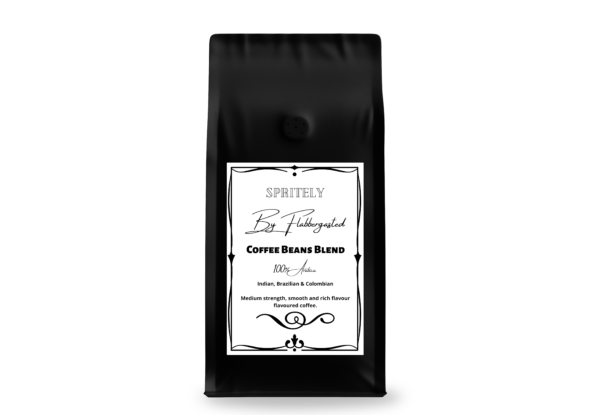
Navigating Coffee Beans Delivery Australia on a budget
Good coffee does not have to be fancy. If you consume alcohol level whites and cappuccinos daily, you can live in the $35 to $55 per kilo environment-friendly expense equal area at retail and never ever be let down. Blends improved Brazilian or Colombian bases, with a touch of all-natural Ethiopia for lift, withstand milk and take a trip well. Seek tasting notes like chocolate, sugar, and hazelnut. Delivery for these coffees typically remains reliable due to the fact that roasters create them weekly.
Single beginnings and costs handlings climb up in price as a result of scarcity and greater danger. Anaerobic naturals, honey procedure micro-lots, and competition great deals taste wild and enjoyable, however they can be fussy and age much faster if delivered improperly. Spend on them when you manage the getting conditions. If your front patio cooks in the afternoon, established the carrier to signature-on-delivery and redirect to a parcel locker.
Grind at home, or allow the roaster grind?
Grinding at home is best for freshness. Every hour after grinding, aromatics discolor and surface oxidizes. Still, not everybody has a mill that can cleanly cut light roasts. An excellent roaster with an industrial grinder can give you a constant particle dimension that extracts naturally. If you go this course, ask them to grind in the future the ship day, not initial thing in the early morning. Make sure your delivery profile gets the parcel to you within 2 days.
One trick I use for pre-ground orders is to freeze in tiny, well-sealed parts on arrival. Moisture control is the secret. Allow the bag pertained to room temperature before available to prevent condensation. For entire bean, I save at room temp guaranteed, shutoff down, away from light. Freezing whole beans works for long-term holding of unique coffees; thaw completely prior to opening.

The human side of farm-to-cup
Coffee has a supply chain, but it likewise has individuals. In North Queensland, tiny farmers near the Atherton Tablelands harvest and procedure in small quantities, then offer to neighborhood roasters that transform those beans into seasonal releases. While the mass of specialty coffee in Australia is imported, these little residential producers maintain a comments loop limited. I have actually stood in a shed in Malanda viewing a fluid-bed roaster bring a local great deal to initial split while the farmer tasted their very own coffee as espresso for the very first time. That cup was not a world-beater, yet the link improved how the farmer trimmed the complying with year.
On the import side, a quality-focused supply supervisor in Melbourne once showed me 2 sacks from the exact same Ethiopian cooperative, both Quality 1, both washed. One scented brilliant and flower, the other flatter, a little papery. He mapped it to drying out tarpaulins made use of late in the season. The roaster that asked the best inquiries got the dynamic whole lot. The various other obtained great coffee, just not the possibility of that farm. Inquiries matter. If your Coffee Beans Delivery companion can address them, you are closer to the origin than you think.
What excellent communication looks like
Transparency is not just prices and origins. It is additionally clear assumptions and feedback channels. The better solutions in Coffee Beans Delivery Australia make it unimportant to tweak grind, skip a delivery, change a bag size, or draw away to a vacation address. They release roast schedules. They advise when a carrier network is congested. Throughout COVID-era disruptions, a couple of roasters sent simple emails discussing hold-ups and offering mixture pointers to stretch existing beans. I remained faithful to them due to the fact that they treated me like a partner, not a cart.
When a shipment goes wrong, view how a business responds. A shutoff harmed en route, a bag split, or a parcel prepared on a doorstep occurs. A substitute delivered without delay signifies a service culture that values your mug. One Perth roaster as soon as consisted of a 100 g cup of an upcoming Ethiopian with my substitute. That small motion turned a problem right into a discussion, and I ended up on their seasonal program for a year.
Matching distribution rhythms to your household
Household coffee intake tends to be lumpy. Two people consuming two mugs a day can go through 500 g a week, provide or take. Guests, vacations, and new machines transform the math. Instead of buying by behavior, track your use for a fortnight. Then align bag size and frequency with room to relax beans. In my home, we brew espresso most days and pour-over on weekend breaks. 2 500 g bags every 3 weeks hits the wonderful area, leaving a few days for remainder after arrival.
If you share an equipment, agree on a work and dish standard. Shipment is just component of consistency. I keep a little note pad with dosage, yield, time, and taste. When a new bag shows up, I readjust. Beans from a various beginning or procedure will often ask for a one to 2 gram change in return or a slightly various temperature. Those little adjustments wring worth from every dollar you invest in delivery.
Sustainability that gains its name
Sustainability claims can be thick on coffee web sites. Some matter, some are cosmetic. Carbon-neutral delivery is useful, however it does not touch farm-level resilience. Recyclable bags behave, yet a bag that secures the coffee and limitations waste by protecting top quality might be the larger win. The most meaningful signals, in my experience, are multi-year purchase partnerships, financial investments in manufacturer training, and honest reporting regarding problems and mug scores.
I when checked out a roaster in Adelaide that ran a moderate training program for a Colombian cooperative they bought from each year. It was not fancy. They funded moisture meters and basic QA, after that guaranteed a purchase. The result was much less variability, higher mug scores, and fairer pricing for the farmers. If your shipment solution speak about that sort of work, think them.
A few tiny decisions that improve every delivery
- Select distribution days that stay clear of weekend depot holds, especially in warm months. A parcel resting 2 days in a storehouse can lose a visible edge. If your building has a parcel area with climate control, utilize it. If not, pick trademark on distribution and accumulate at a blog post office or locker. Keep a spare "residence blend" bag as a buffer so you are never required to consume beans on day one or day 40. Communicate with your roaster. If a bag tastes off or shows up late, claim so. Patterns aid them repair upstream issues. Try half-bag overlaps. Open up a new bag while 100 g stays of the old one, then blend shots for two days to smooth transitions.
Where the most effective cups often tend to come from
The ideal cups I drink from Coffee Beans Delivery get to the intersection of 3 behaviors. First, roasters who publish roast days, talk plainly regarding origins, and ship with care. Second, messengers that take https://dominicktotm887.raidersfanteamshop.com/best-coffee-beans-delivery-for-decaf-that-really-tastes-great care of coffee as a subject to spoiling, a minimum of in method otherwise policy. Third, home brewers that maintain beans amazing and closed, grind well, and readjust dishes as beans age.
The tale is not neat, but it is repeatable. A washed Ethiopian baked on a Monday in Melbourne, shipped Tuesday, delivered Wednesday early morning in a lined mailer to a shaded patio in Brunswick, relaxed to Saturday, and brewed as a 1:16 pour-over at 94 ° C will certainly taste various from the very same coffee baked on Thursday, road-shipped to Broome, and brewed the next Tuesday as coffee. Both can be terrific in their context. The role of a good shipment service is to narrow the gap and give you enough details to plan.
If you are searching for the very best Coffee Beans Delivery, look past mottos and into the mechanics I have defined. Ask exactly how they set up roasts, exactly how they deal with warm, whether they can shift dispatch days, and what they do when a parcel misbehaves. Preference on your own across a season. The service that aids you consume better coffee more frequently, with less missteps, is the best for you, whether it sits on top of an international position or not.
Australia is a great place to do this well. Our specialty roasters are, on equilibrium, quality stressed, and our importers know just how to move delicate coffees across seas. The last mile is where your options matter. Choose with eyes open, offer responses, and enjoy the odd benefit of enjoying a fruit expanded on a hill fifty percent a globe away, provided to your doorstep with sufficient life left in it to inform you where it came from.